


Electronic Industry Parts
Core Advantages
Low-resistance conductive bodies
Oxygen-free copper is available for current-carrying components. In compact terminals and connection elements, its low electrical resistance reduces voltage drop along the metal path between the component's electrical interfaces.
Accurate fit in compact assemblies
Key dimensions are controlled to ±0.012 mm. Where closely spaced supports and locating features must fit within a small enclosure, this limits the dimensional variation introduced by the machined component.
Fine contact-face texture
Working surfaces reach Ra ≤0.2 μm. On compact seating and mating faces, the fine texture reduces pronounced machining ridges and leaves a smoother contact surface beneath the adjoining component.
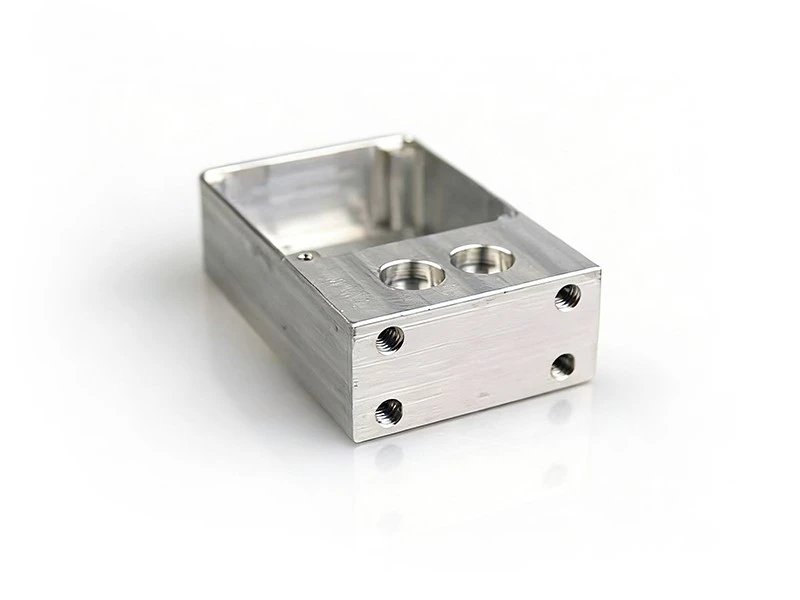
Custom Electronic Components
We manufacture from released component drawings and CAD models, with the selected material determining the cutting process. CNC milling, laser cutting, and EDM for electrically conductive materials are applied to the relevant geometry; insulating ceramics are treated as a separate machining specification.
Customizable Items
- Contact profile
- Thin-wall sections
- Small-hole diameter and position
- Mounting-hole pattern
- Insulator-seat geometry
- Threaded features
- Plating specification
- Uncoated contact zones
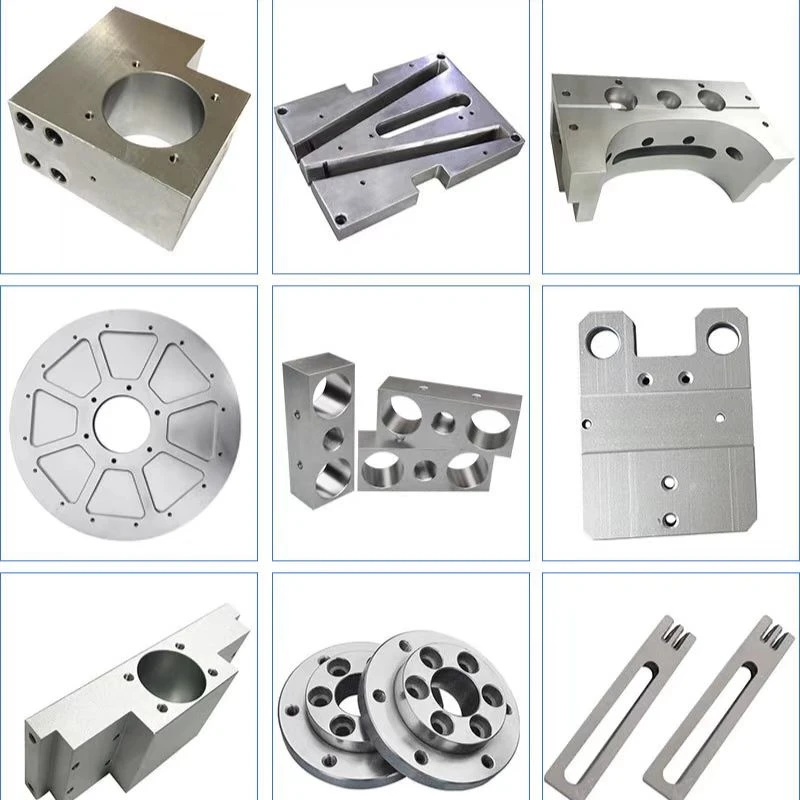
Product Performance and Quality Assurance
- Material identity is verified before machining so that conductive metals and insulating variants remain distinct. The part number and material specification follow the job through production.
- First-piece and in-process inspection check drawing-defined mounting relationships and accessible geometric features. CMM measurement is used where suitable for the feature, while the inspection method is matched to the size and accessibility of smaller details.
- Every component undergoes final inspection before packing, with attention to trapped chips, burrs around openings, and visible finish damage. Inspection records retain the drawing revision and measured results, and third-party inspection is accepted.
FAQ
Q: Which payment currencies do you accept?
A: USD, EUR, and GBP are accepted.
Q: Can the export packaging follow our packing specification?
A: Yes. Packaging is arranged to your specified requirements.
Q: How should ESD behavior be specified for ceramic parts?
A: Specify static-dissipation requirements separately from electrical insulation.
Q: What information is needed for a heat-transfer interface?
A: Specify the heat load, mating material, contact area, and thermal-interface material.


